The second day of the intensive week of negotiations went down as a day of divergence between the two files at hand.
Corporate Vehicles: The Finish Line in Sight
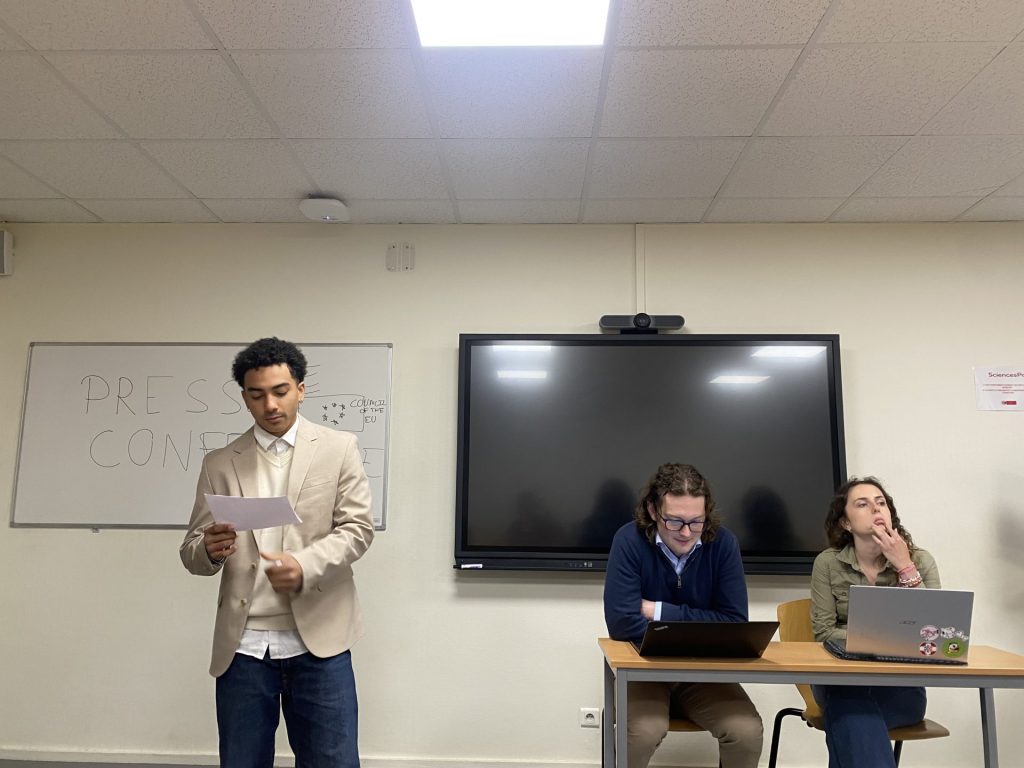
On the corporate vehicle dossier, both the Council and the European Parliament’s TRAN Committee projected confidence that a deal was within reach. Both sides indicated that compromises had been reached on the vast majority of points, leaving only one article concerning social leasing standing between negotiators and a final agreement.
CO2 Targets: A Different Story
The atmosphere was markedly different for the CO2 Emission Standards file.
COREPER Chair Simon Thomsen acknowledged that a final agreement remains likely as all sides recognise the need to inject flexibility into the existing framework. However, as ever, the devil is in the details. Discussions continue on how to best include these flexibilities with Thomsen listing the topics of life-cycle emissions and technology-neutrality, in particular regarding low-emission vehicles, as subjects that continue to occupy negotiators. The scale of incentives for small vehicles, as well as the nature of the support for SMEs also remain unresolved, with the Council noting that most SMEs in Europe’s automotive industry are not vehicle manufacturers but suppliers embedded in the broader value chain.
Tensions Boil Over in ENVI
The day’s biggest shocks, however, did not come from the Trilogues but from within the ENVI Committee itself.
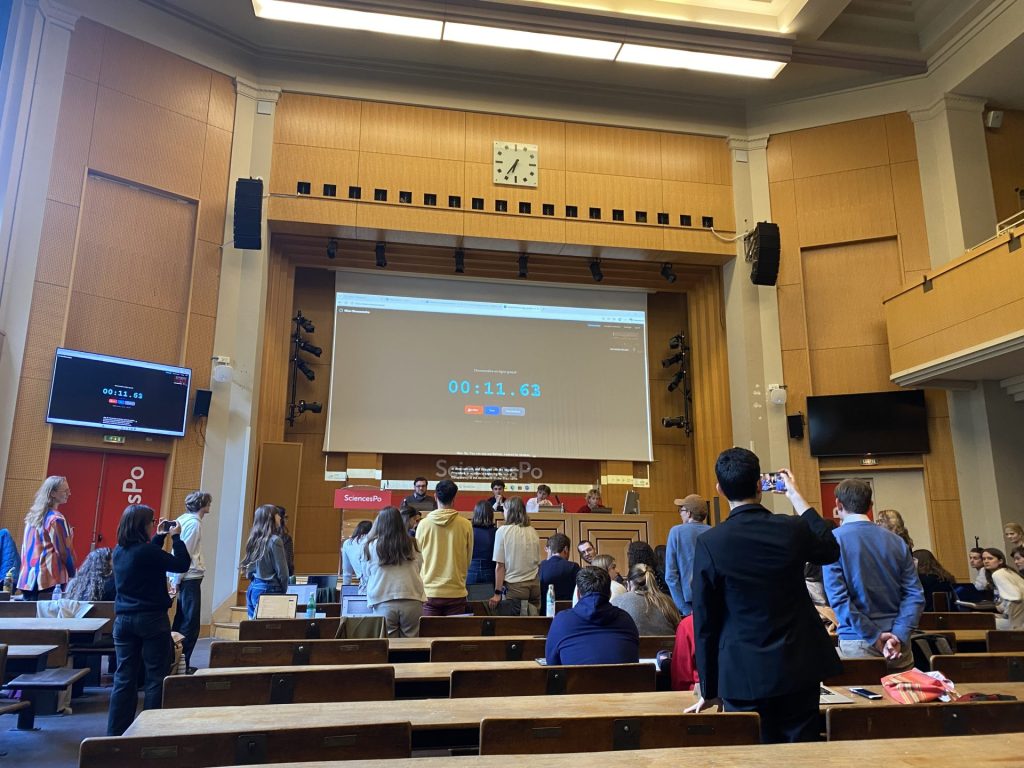
Despite repeated apologies from Committee Chair Edouard Huemer, who insisted that the delayed sharing of information with parties outside the centre coalition (EPP, S&D, Renew) had been an honest mistake, shadow rapporteurs lined up to denounce the handling of the negotiations. Their grievances went beyond the transparency lapse as several accused Rapporteur Maximiliem Jagiello of excessive deference to the Commission on key issues. The discontent culminated in a remarkable scene, as far-right groups, the Greens, and the Left rose from their seats in an unprecedented joint demonstration of protest.
Knives Out
What has followed, however, cuts deeper and threatens EPP’s unity at the precise moment the centre coalition needs it most.
EPP MEP Romain Yborra reportedly joined the cross-partisan protest, drawing scrutiny from his colleagues in the EPP. Anonymous sources had already raised concerns that Yborra has been willing to flirt with the far-right at the expense of internal party discipline. Those claims now appear substantiated by internal party communications obtained by Le Monde.
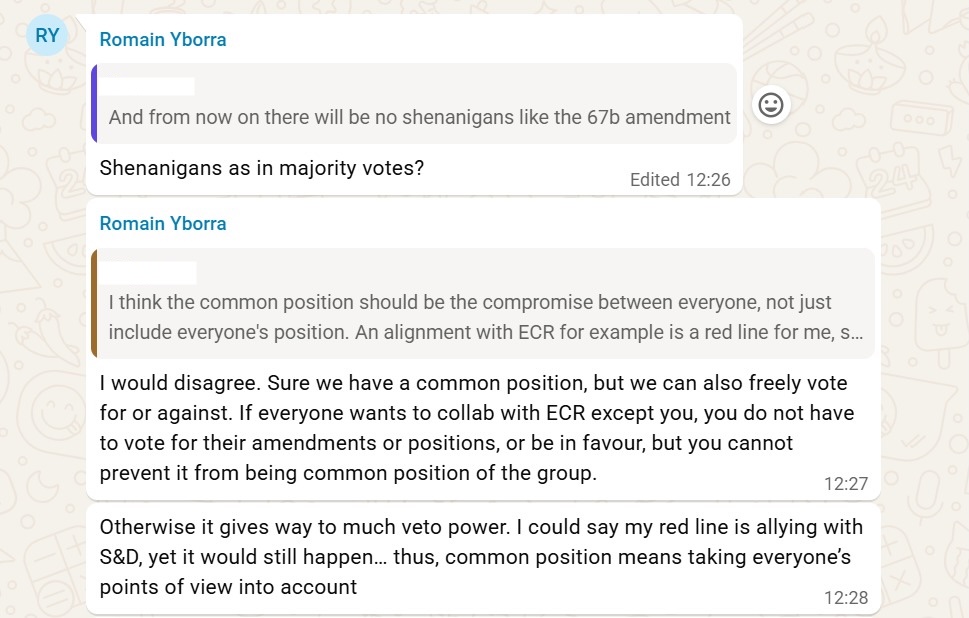
While the absence of a cordon sanitaire against the far-right has long been a feature of this parliament, Yborra’s apparent equation of the S&D with the ECR raises difficult questions. Some from left wing parties have privately complained of needing to “remind” S&D and Renew of their own positions. These concerns are more immediate than ever, as the centre coalition risks drifting rightward, pulled by parts of the EPP with few reservations about working with the far-right. This phenomenon which was first observed in the TRAN Committee appears to be rearing its head in ENVI as well.
That is unless the EPP takes measures to quash Yborra’s insubordination. A second anonymous EPP source has provided Le Monde with details of such a proposed move for Wednesday’s session. The document below speaks for itself.
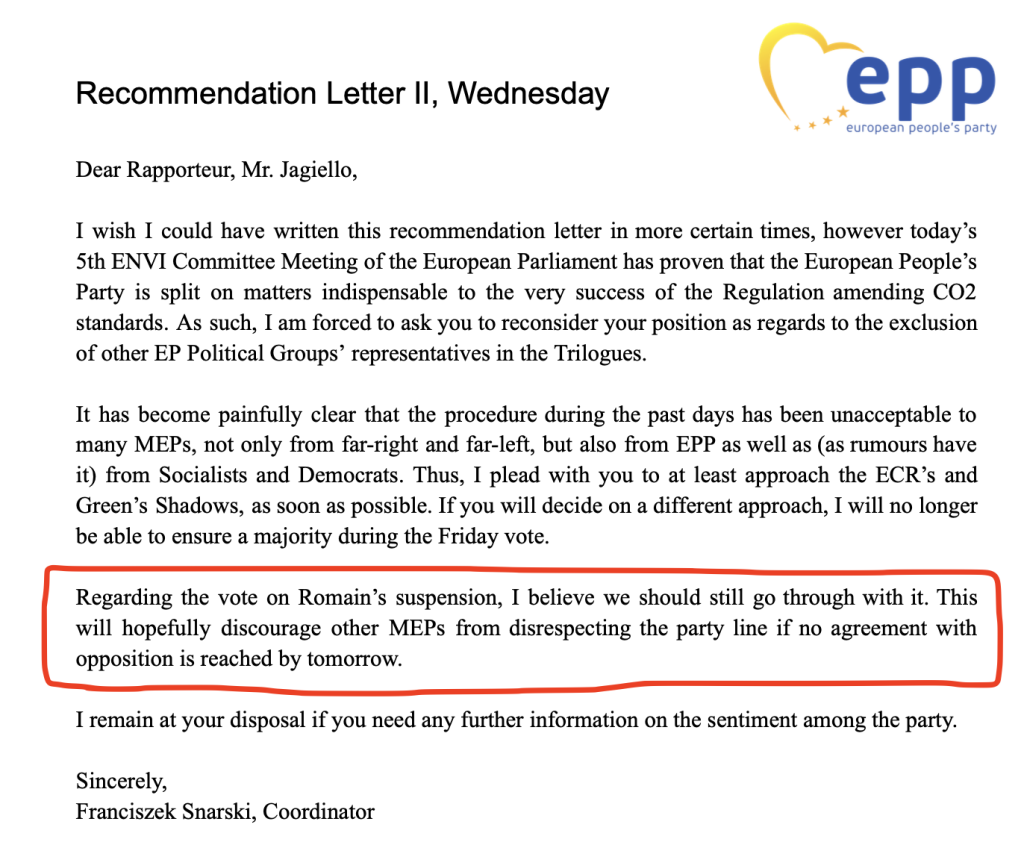
Whether that vote materialises and what its outcome might be remains to be seen. However, one thing is clear. A clerical error in sharing information has set off a chain of events that has laid bare the long simmering fractures within the EPP. Those fractures must now be sealed at speed.
For the S&D, these revelations pose an uncomfortable question: what does continued partnership with EPP mean if it cannot keep its far-right sympathising wing in check?
With two days of Trilogues remaining the CO2 file is far from resolved, time is running out, and the centre may be less solid than it looks.

Leave a Reply