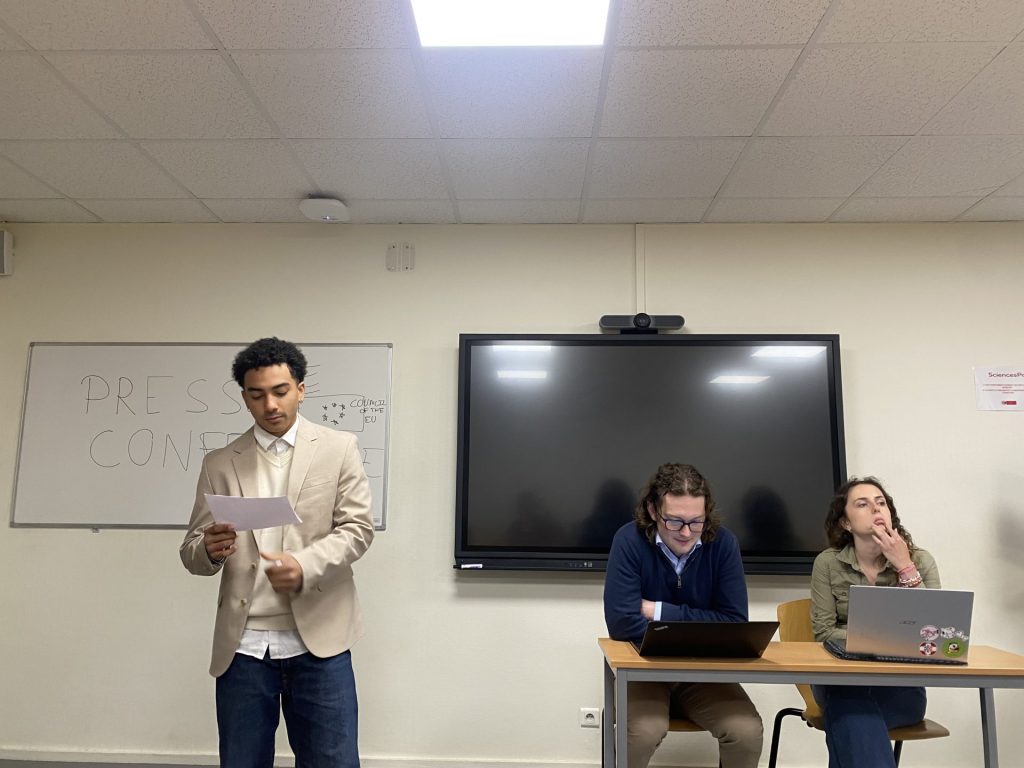
On the eve of a crucial plenary vote, members of the Left parliamentary group sitting on the TRAN Committee, Martin de Montille, Jared Ong, and Eleonore Shalomita Hana, spoke candidly about their assessment of the provisional agreement on the clean corporate vehicles file and why, despite their reservations, they still see a path to lending it their full support.
A Welcome First Step
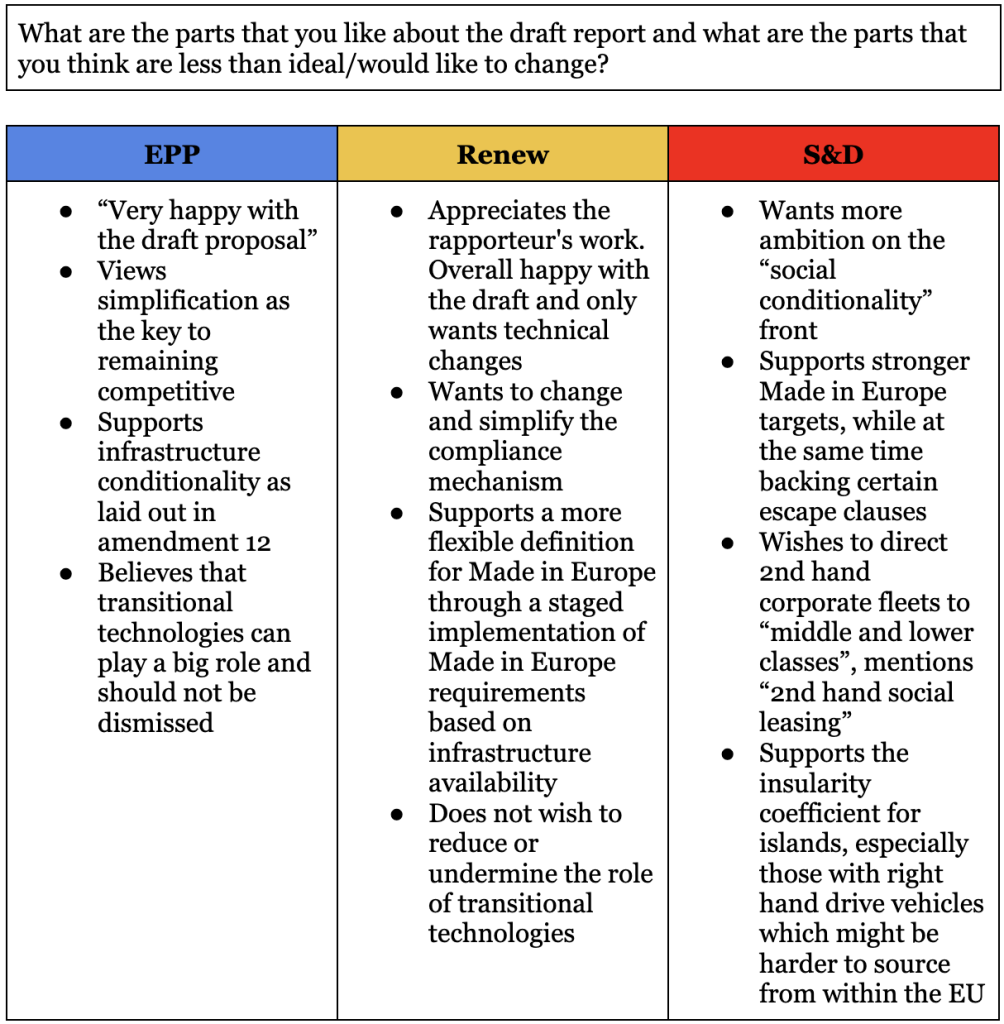
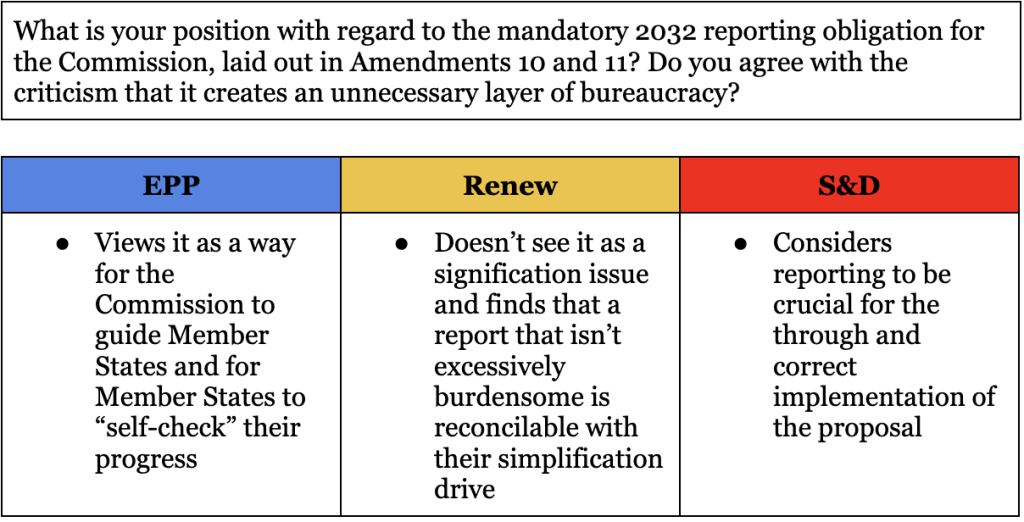
The three MEPs were broadly positive about the agreement’s existence. Before this proposal, there was simply no regulatory framework governing the transition of corporate vehicle fleets towards zero-emission vehicles. In that sense, the provisional agreement represents genuine progress. But for the Left, progress and sufficiency are two different things, and they have identified what they consider to be critical gaps that they intend to address. To that end, the group is tabling three amendments ahead of tomorrow’s vote. Amendments they argue are not radical additions, but necessary corrections.
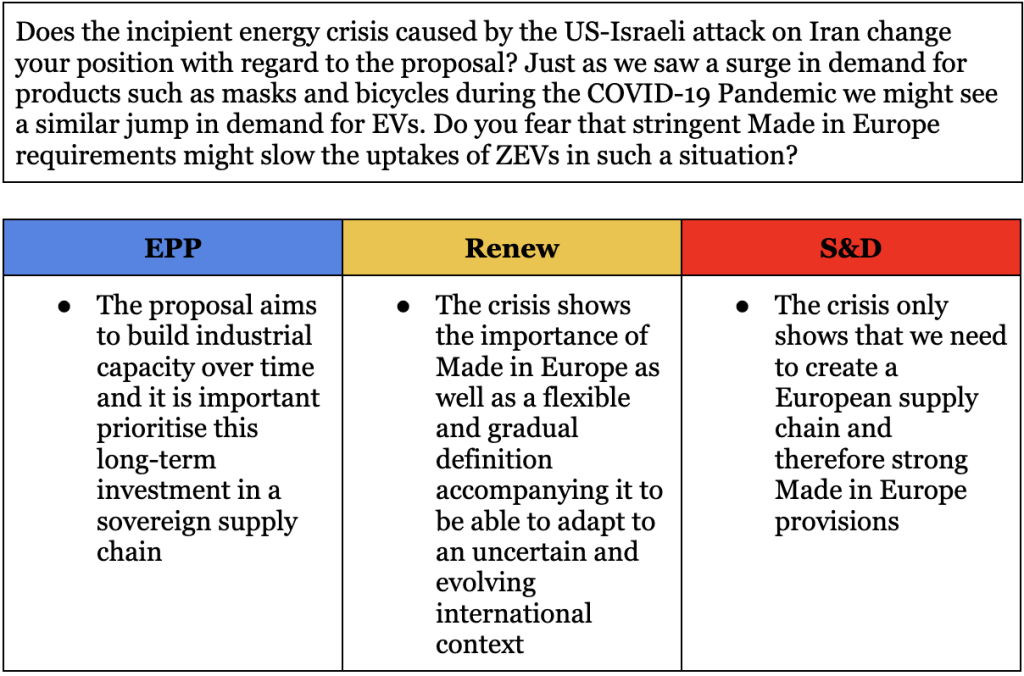
The “Made in EU” Problem
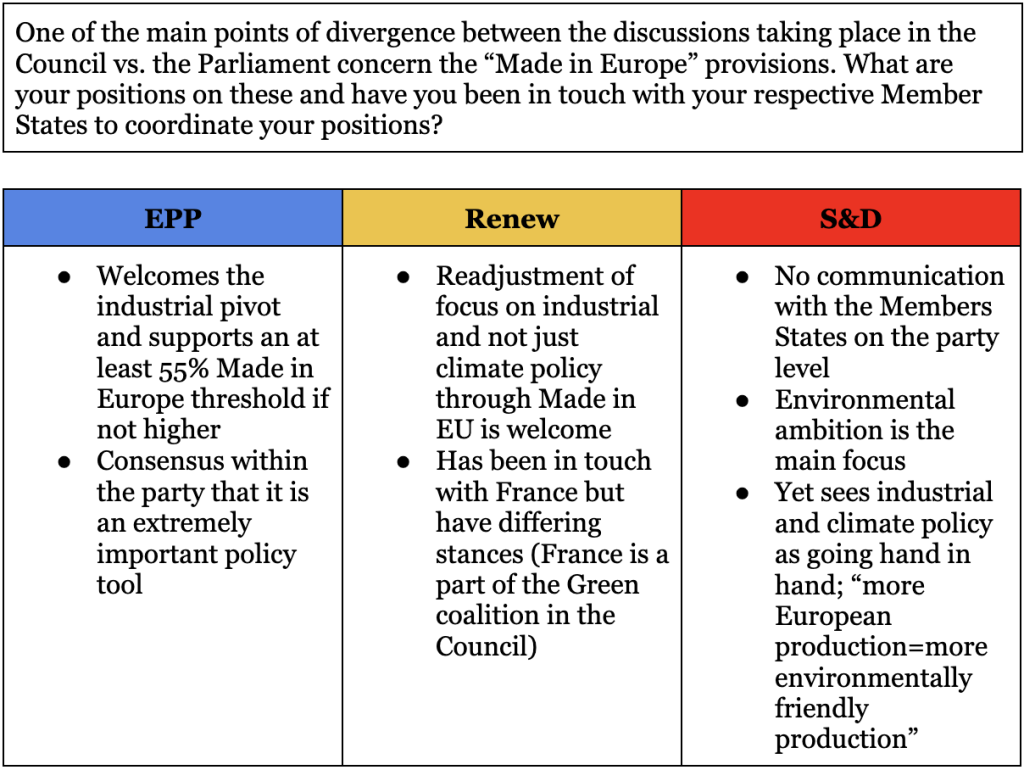
Two of the three amendments concern the agreement’s treatment of the “Made in EU” concept. The provisional agreement leans on the definition provided by the Industrial Accelerator Act. This is a move the Left’s representatives argue is legally precarious, given that the Industrial Accelerator Act remains a proposal rather than adopted law. They contend that building binding obligations on the foundation of a legislative text that has yet to be enacted creates significant legal uncertainty.
Their proposed fix is twofold. The first amendment would require that the final assembly of any qualifying vehicle take place within the European Union. The second would extend the reach of EU standards to all work going into manufacturing of the vehicle, regardless of where in the world that work is carried out. This would mean supply chains both inside and outside the EU would have to comply with EU norms on labour rights, environmental protection, health and safety, and state aid. Taken together, the two amendments aim to give the “Made in EU” dimension of the agreement a solid legal footing while ensuring it carries genuine social and environmental weight.
Infrastructure Conditionality and a Conditional “Yes”
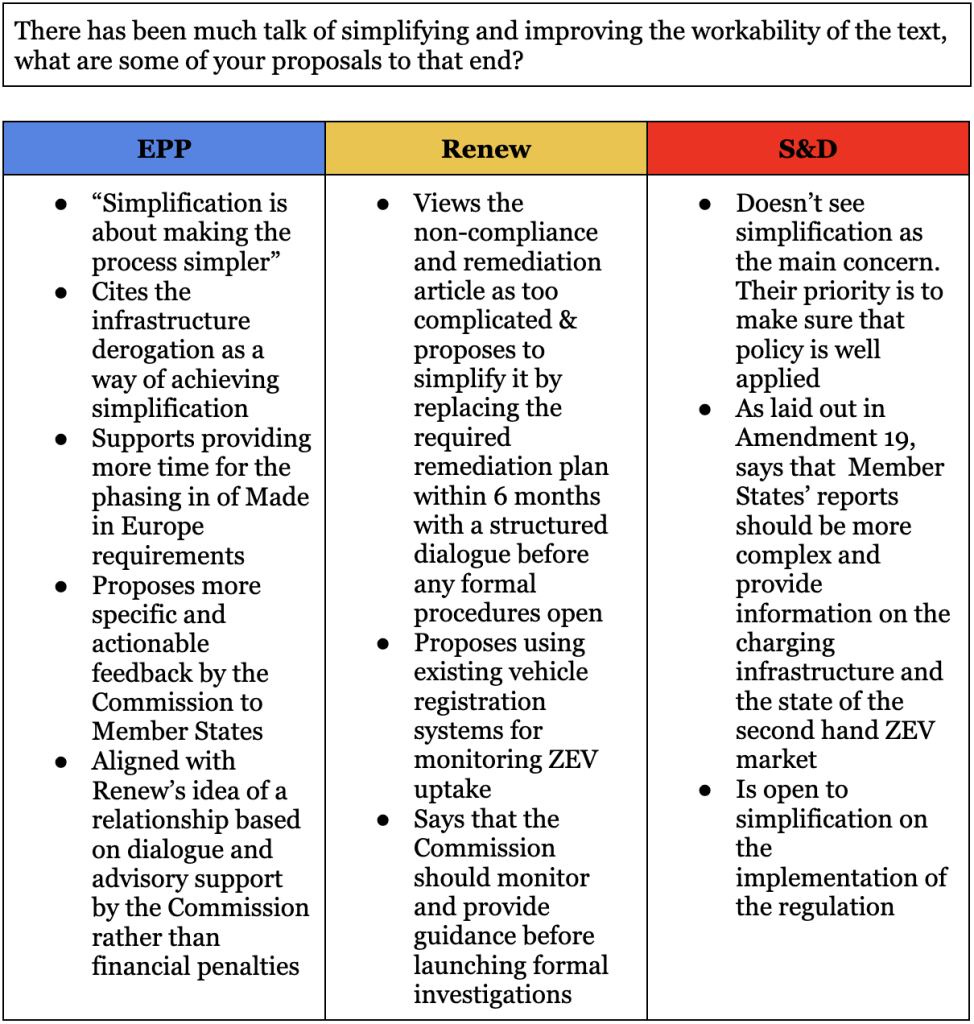
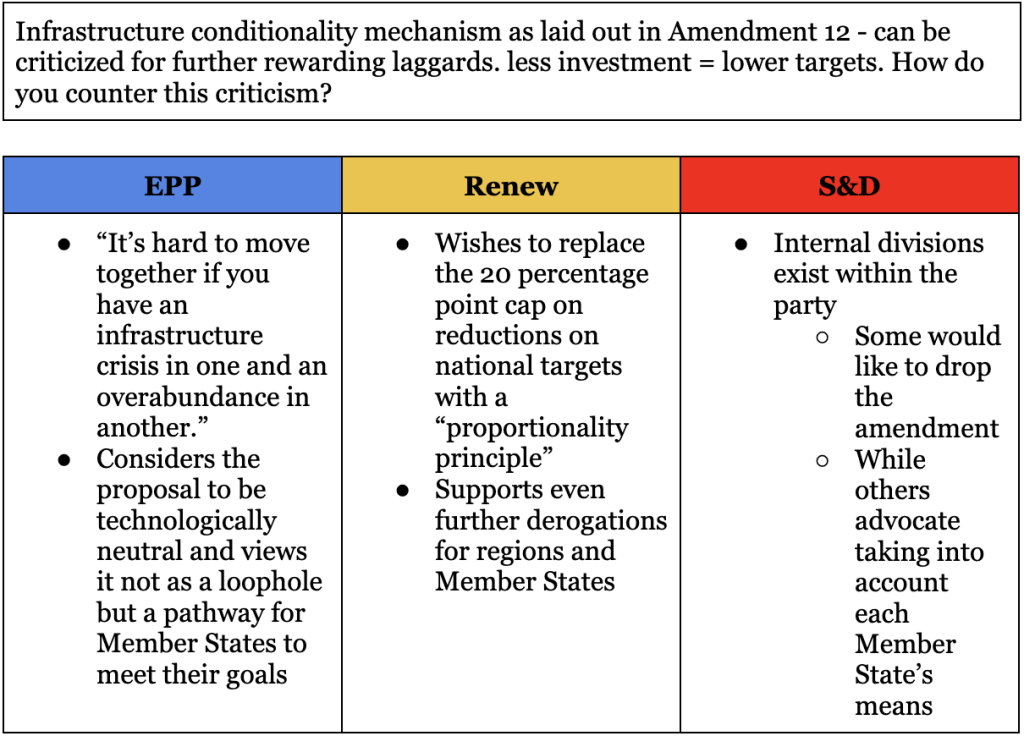
The most consequential of the three amendments, however, concerns infrastructure conditionality, as set out under Article 3 of the provisional agreement. The Left argues that Article 3, in allowing member states to delay compliance on the basis of insufficient charging and refueling infrastructure, contains a loophole wide enough to significantly undermine the agreement’s ambitions.
The Left wants the deadline of 2035 for this derogation brought forward to 2030. They view this as an essential change and it carries an explicit political offer. If this amendment is adopted, the Left have made clear they will vote in favour of the final agreement. The calculation behind that position is strategic as much as it is technical: they argue that a unanimous or near-unanimous backing for the package would send a message of political consensus, making the agreement considerably harder to unpick or revisit in the future and provide the clarity that the automotive industry so desperately desires. They have called on other parliamentary groups to take that argument seriously and accommodate the Left by supporting the amendment.
However, they lament that their call has so far been met with a familiar obstacle. The group reports having been in contact with colleagues from other parties who, by and large, do not dispute the substance of the amendment. The problem is optics. Other groups are simply not comfortable with the appearance of aligning themselves with a party seen as extreme.
A Strategy Shaped by Isolation and Solidarity
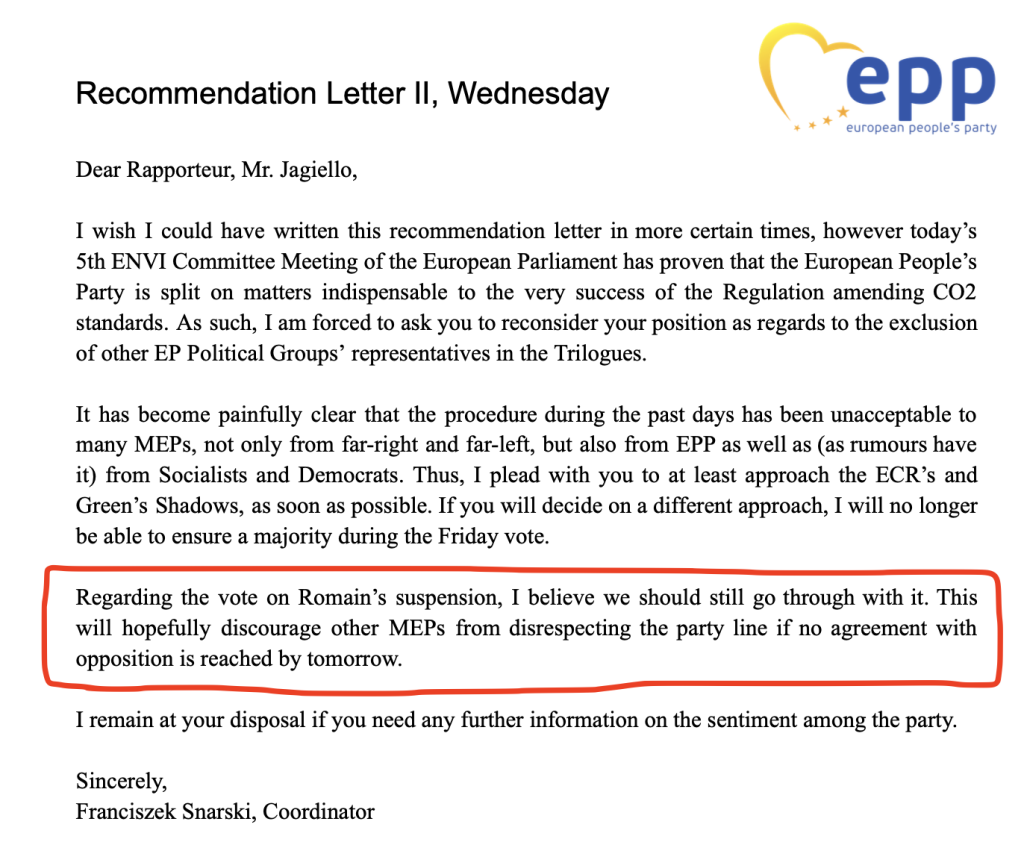
That experience is not new to the Left, and it feeds directly into their broader assessment of the strategy they pursued throughout the negotiations. The reflection is pointed. They express clear disappointment at the behaviour of centrist groups, especially the S&D and Renew, who they see as having repeatedly voted down the Left’s proposals not because of any objection to their content, but simply to avoid the association with the party. What they find especially difficult to accept is the inconsistency that those same groups, they claim, have shown far less concern about the EPP’s case-by-case but frequent alignment with far-right parties.
Their relationship with the Greens has been markedly different. The two groups continue to maintain close contact throughout the process and operate under the agreement that they would not publicly oppose one another. The Left’s MEPs underline that their differences are not ideological ruptures but a question of priorities. Where the Greens’ focus is primarily environmental, the Left’s lens is social. In practice, that meant the Left at times abstained on Green proposals they considered overly ambitious, rather than voting against them.
Strange Bedfellows and a Message to the S&D
One of the more striking admissions to emerge from the conversation is that the Left occasionally found themselves sharing common ground with far-right groups. This was especially true regarding the social dimensions of the regulation. They are quick to stress that it is a coincidence of position and not a convergence of politics. Nonetheless, it serves to sharpen their frustration with the S&D, whom they accuse of having drifted from the left-wing values that are supposed to define them. If parties at opposite ends of the political spectrum can identify the same social deficits in a piece of legislation, then a party that calls itself socialist ought to be able to do the same.
As the Parliament prepares to vote, the Left’s message is simple: accommodate one amendment, and they will stand behind the agreement. Refuse, and a deal that could carry the weight of genuine consensus will pass with a political asterisk attached.