EU Legislation
“Productive discussions” and fragile coalitions
Brussels hectic second day of trilogues on the automotive package: While interinstitutional negotiators reportedly came close to a final agreement on the Clean Corporate Vehicles file, progress has been slower on the CO₂standards. However, in light of growing political rifts in the ENVI committee and some member states being unhappy with the Council’s negotiations of the CCV, it is unclear whether majorities for any agreements coming today or tomorrow hold in the respective institutions.
Joshua Starbatty in Paris | Published MAY 20 2026
Already by early noon, the news arrived that the CCV negotiations were progressing quickly. Alice Berzolla, the TRAN rapporteur told the FT that the only issue left to discuss was Article 6A on social leasing — newly introduced with the EP mandate. The Beyond that, she said, the CCV was largely agreed on with the Council.
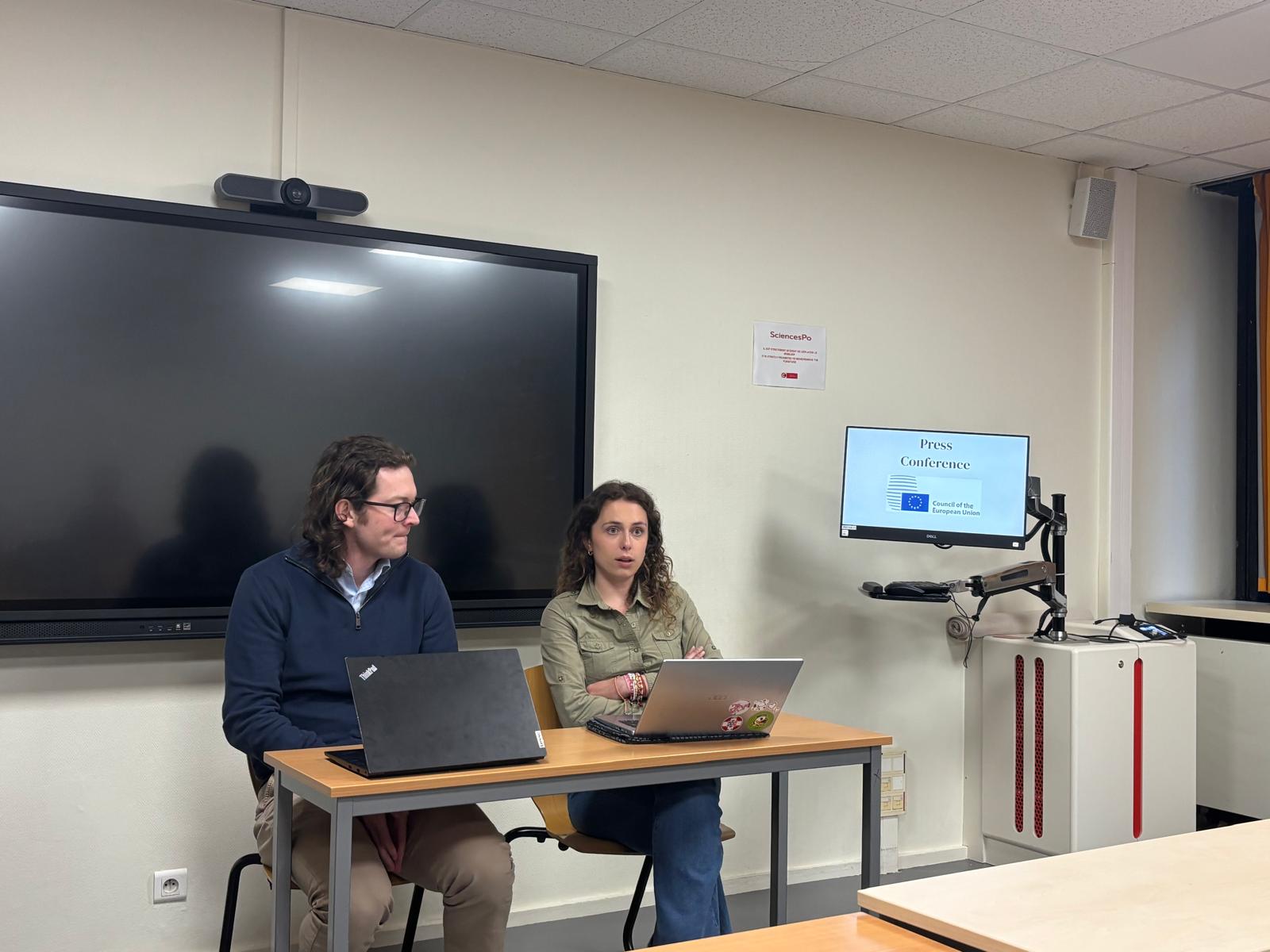
In a press conference with the Council presidency team later that day ambassador Jeanne Eymery confirmed that “Everything went well. We found some compromises, we gave them [the Parliament] some concessions, and they gave us some in return.”
However, despite some wins, that were secured by the Council on the charging-infrastructure derogation and the connected deployment percentage reduction of 10% (new Article 3 and 3a in the Council general approach), the compromises might weigh heavy and test the durability of the cross-coalition majority between member states that backed the general approach.
Officials in several member state delegations as well as officials familiar with the talks told the FT they were worried about implications of the cut of new Article 3b in the Council approach during the negotiations. The article said that “where a Member State is affected by geographical insularity and cold climate” it can request reduced targets under CCV. Reportedly, this specific “cold climate and insularity clause” was a red line for a number of member states such as Denmark and Malta.
Confronted with these concerns, the Council’s ambassador chairing on the CCV file explained that “the Commission and the Parliament were really against [keeping the clause], so we decided to remove it in order to find agreements quickly. Denmark, unfortunately, will not be happy with the decision.” She further remarked that some capitals would “criticise [the decision] again during the Coreper” but argued the Council “cannot find agreements on everything to please every single member state’s interest.”
Progress on the CO₂ standards file has been slower. The Presidency’s CO₂ file chair — Simon Thomsen — spoke of “very productive discussions” but declined to forecast a closing date, saying only that talks would continue on Wednesday and “potentially Thursday if needed.”
Critical, outstanding issues include the fungibility of post-2035 offset mechanisms between “low-carbon” steel credits and “low-carbon” fuel, as well as the treatment of small low-emission vehicles super-credit the Council proposed as new Article 5(2). Both remains “open to discussion”.
The chair pushed back against framing lifecycle emissions, a Parliament and specifically Renew priority, as a “flexibility,” describing it instead as “a new layer to this regulation that is thinking more long-term” and rejecting any suggestion that it could substitute for tailpipe targets. “The core focus of the legislation remains on tailpipe emissions”, he said.
Later yesterday, EPP rapporteur Maximilien Jagiello — similarly to his Council counterpart — spoke of constructive talks, when he took the floor to brief his colleagues on the file in the ENVI meeting. He stressed the EP had secured agreements on the question of the amount of fines, the investment offset mechanism for fines, the timeframe for multiannual compliance windows, and said that the Commission would redraft controversial Article 67b.
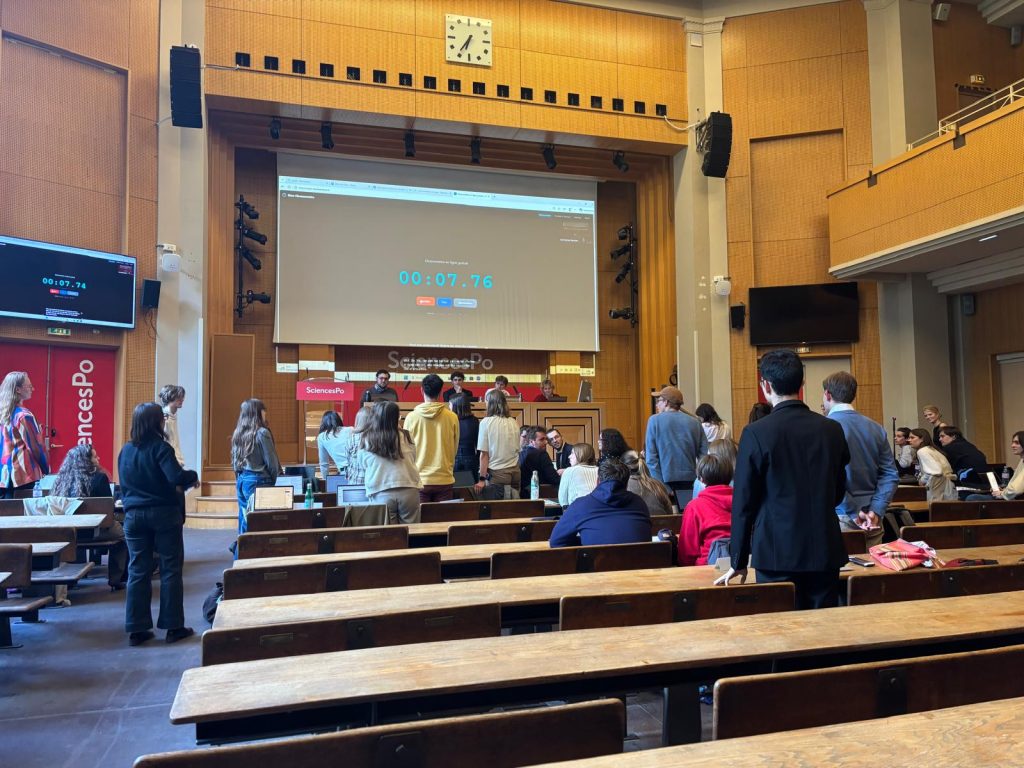
However, any progress on the substance seems to have been overshadowed by growing tensions in the ENVI committee. After far-right groups had started the week lamenting the rapporteurs “undemocratic behaviour”, they increased their protest yesterday, with an offensive of posts on social media and in the committee meeting.
In an unlikely joint statement with the Greens and the Left at the end of the meeting, they criticised procedural shortcomings on the side of the ENVI chair and rapporteur and accused the rapporteur of not “adequately defending the EP mandate” by giving to much leverage too the Commission.
The procedural criticism related to the shadow rapporteurs of groups outside the EPP-Renew-S&D coalition not receiving the agenda and the four column table in time before the first trilogue on Monday. The chair started the ENVI meeting with an apology and blamed an issue of miscommunication for the incident.
Concerning the criticism of the rapporteur’s defense of the EP mandate, Jagiello and ENVI chair Edouard Huemer had told the FT in a joint statement earlier that day they were not doing “dialogues but trilogues” and that this included the Commission. A constructive agreement, they said, is not thinkable without having the Commission on board, especially considering the technicality of the file and the amount of technical expertise the Brussels executive brings to the table.
On the substance, while united in their disapproval, the Greens and Left stressed they were of course not aligned with the far-right. Confronted with the criticism from all sides, the ENVI coalition fiercely defended its position and work throughout the meeting.
Above all, there seem to be fractures in the internal cohesion of the EPP in ENVI. As was first reported by LeMonde, the EPP has started an internal procedure to suspend the membership of Romain Yborra, MEP from Slovenia. Yborra had over the past week continuously sided with the far-right minority in ENVI to criticise the EPP rapporteur.
Yet, even without the vote of Yborra, the coalition of EPP, Renew and S&D comfortably secures a majority in ENVI.
Trilogue day three has started. It remains to be seen if hectic political dynamics in ENVI and in the Council put the coming agreements between lead negotiators at risk.
Also read:
Trilogue week opens with a fresh wave of lobbying – by Joshua Starbatty | MAY 19 2026
Stakeholders have set out for their final lobbying campaigns on the CO₂ standards revision and CCV file.
And:
Past the 2035 rift: what is at stake in the CO₂ standards trilogues?
– by Joshua Starbatty | MAY 18 2026
The final Brussels battle over the CO2 standards regulation is not be about the combustion engine ban.