EU Politics
Trilogue week opens with a fresh wave of lobbying
Open letters, AI agents, informal discussion hubs and accusations that lawmakers do not listen: With inter-institutional negotiations on the EU’s automotive package opened, campaigning intensifies as stakeholders try to take some last-minute influence.

Joshua Starbatty in Paris | Published MAY 19 2026
The formal opening of the trilogues on the two main pillars of the EU’s automotive package – the CO₂ standards revision and the Clean Corporate Vehicles regulation – has triggered a surge in lobbying activity. The volume of new statements landing in officials inboxes since yesterday shows Brussels has entered the endgame on shaping the files.
The environmental NGO T&E opened the week with an open letter calling on legislators across the political spectrum to abandon “flexibility” on both acts and clearly commit to zero-emission mobility. T&E’s representative Nilam Shapkota casts the trilogues in historic terms: “This is the moment to write history… Leadership means acting now, not protecting what is already failing.” The letter bundles the two regulations, asserting that the creation of “loopholes” that allow a future for combustion engine vehicles means losing out against automotive competition from China and elsewhere.
T&E also teamed up with charging and EV lobbies ChargUp Europe and E-Mobility Europe for a joint statement to express their concerns about introduction of lifecycle assessments in the CO₂ standards. They said that they were not against the methodology per se but that any move away from tailpipe measurement would delay the EV transition. When addressed with questions on the EP’s mandate last week, designated ENVI rapporteur had told the FT that lifecycle thinking is not supposed to substitute the tailpipe approach but complement it.
The European Automobile Manufacturers Association (ACEA) does not agree with the strict ZEV-focus of T&E, stressing “technology-neutrality” and longer implementation timelines for obligations set out in the acts. Rather than issuing a substantive statement, the associations representative Rahma Chikh announced the opening of an informal “Implementation Hub” at 27 rue Saint-Guillaume for the duration of the trilogues. The Hub, ACEA says, is dedicated to “discussions on implementation challenges, infrastructure readiness, industrial competitiveness and the broader transition linked to the ongoing negotiations.” Stakeholders, institutional representatives and journalists are invited to drop by throughout the week. Juliette Wirth from ChargeUp Europe and Jonathan Depre from E-Mobility Europe used a similar strategy to ACEA, handing out position flyers and seeking the direct contact with MEPs and member state delegates.
A third approach was taken by Marie Ravaux from FuelsEurope, the Fuels Manufacturers interest group. The representative that, according to the TRAN committee’s transparency register, was active throughout the last months speaking to MEPs from the ECR, ESN and EPP on the CCV file, used the opportunity to post extensively on SciSky to defend a continuing role of combustion engine vehicles and “low-carbon” fuels. She also voiced support for ENVI’s push to include lifecycle thinking in the CO2 standards revision.
Anatole Rawas, representative of lobby organisation Leaseurope used the first trilogue day to present a new AI agent – LeaseuropeGPT – that according to him “will answer any question regarding the leasing sector and Leaseurope’s position”. With the AI’s help, the interest group hopes to convince lawmakers that the CCV regulation in its current form risks to “destroy jobs” in the leasing sector. Rawas has also used the opportunity to take the floor at yesterday’s open press gathering, co-hosted and moderated by the FT, to express to a wide range of different actors – from the Commission representatives to MEPs to member state delegates – his concern with the depreciation of EVs and connected economic peril for leasing businesses.
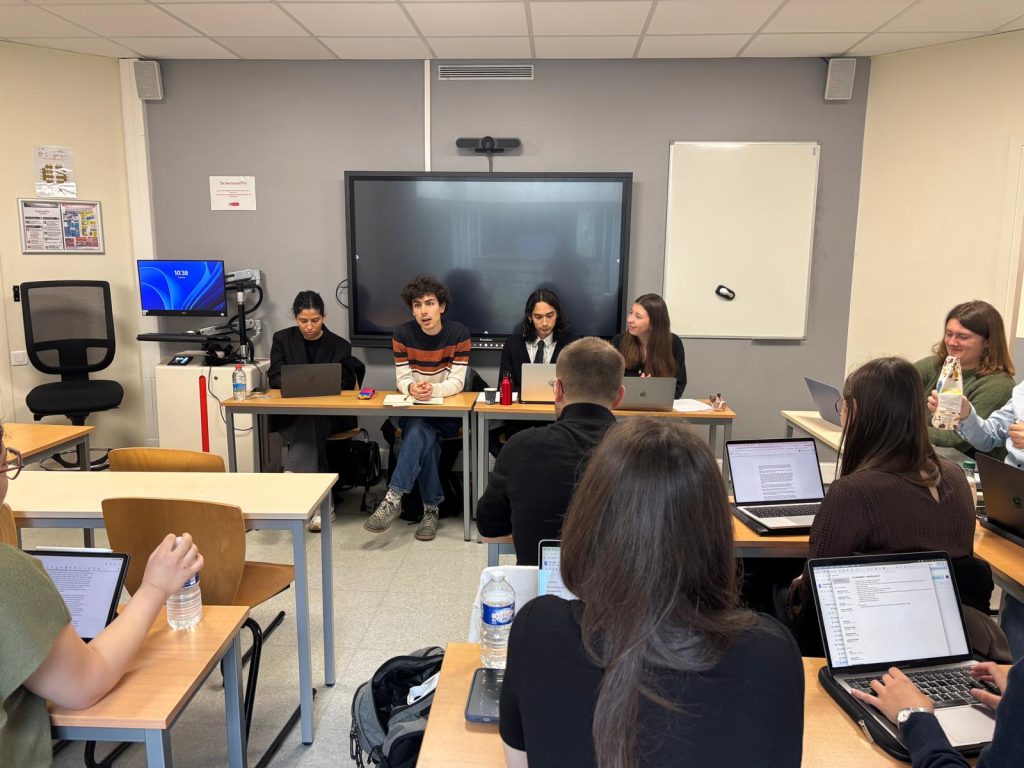
However, beyond the efforts aiming to influence the substance of the final CO2 standards and CCV texts, a more fundamental concern has troubled some stakeholders over the last months and has even created an unlikely coalition between actors with very different industrial interests.
In a joint letter titled “We, the stakeholders”, representatives of Leaseurope, ChargeUp Europe, E-Mobility Europe and ACEA argue that “a large part” of MEPs and member state delegates have failed to interact with stakeholders and listen to their concerns and expertise throughout the legislative process. The letter does not address the substance of either regulation. Instead, it complains about “democratic shortcomings at the heart of the current adoption process“ and calls for more dialogue to “strengthen the legitimacy and effectiveness” of a process that, it warns, “risks losing both.”
The letter is striking mostly for whom it unites in its statement. The four signatories represent very different commercial interests across the automotive value chain – vehicle leasing, charging infrastructure, EV manufacturing, and conventional vehicle production – and partly disagree on fundamental questions, notably “technology-neutrality” and the role of “low-emission vehicles”.
Asked about how the coalition came together, E-Mobility Europe representative Jonathan Depre told the FT that the four interest groups have some common ground in promoting electrification but that their coalition has really formed as a consequence of the shared experience of not being heard. Their alignment around a procedural grievance, and not so much a shared policy demand, also shows that none of the four is comfortable with where the negotiations are headed. Today, the group sought to make their voices heard and express their messages in person at their joint event directly to MEPs and member states.
Overall, the beginning of the trilogue week showed that despite accusations of lawmakers and Brussels officials turning a blind eye, the stakeholders remain committed to exerting some last-minute influence on the files.
Also read:
Past the 2035 rift: what is at stake in the CO₂ standards trilogues?
– by Joshua Starbatty | MAY 18 2026
The final Brussels battle over the CO2 standards regulation is not be about the combustion engine ban.
And:
“We are very strong. We are all tied together” – EPP rapporteur Maximilien Jagiello on the eve of the CO₂ trilogues – by Joshua Starbatty | MAY 17 2026
The EPP rapporteur for the CO2 standards revision spoke about his view on the upcoming trilogues, the Parliament’s mandate and the political dynamics in the ENVI Committee, in an exclusive interview with the FT.