
Written by Contexte
17 April 2026
Just hours before the vote in the ENVI committee, a PPE–S&D–Renew majority appears ready to adopt the revision of the CO₂ standards, but its formation is drawing strong criticism. Right-wing groups denounce their exclusion from last-minute, closed-door negotiations, while the Commission’s presence fuels concerns over a lack of transparency.
As a key vote approaches, a majority is taking shape in the European Parliament around the CO₂ standards revision. Backed by the European People’s Party (PPE), the Socialists and Democrats (S&D), and Renew Europe, it is expected to secure the adoption of a compromise. However, the speed and manner in which it was built are generating significant tensions.
In recent days, negotiations have accelerated to lock in an agreement ahead of the vote. While this centrist coalition has gradually consolidated, criticism over the process is growing.
The European Conservatives and Reformists (ECR), Patriots for Europe (PfE), and Europe of Sovereign Nations (ESN) groups have denounced their exclusion. Several MEPs say they were contacted too late, particularly for meetings organized at short notice, sometimes over the weekend, preventing them from fully participating.
Beyond timing, the process itself is being challenged. Some MEPs describe negotiations conducted within a restricted circle and denounce “backroom deals”, arguing that the compromise was reached without genuine inclusive debate.
The role of the European Commission is also raising concerns. According to several sources, the Commissioner in charge of the file took part in some informal discussions. This low-profile presence has prompted questions about the line between institutional support and political involvement.
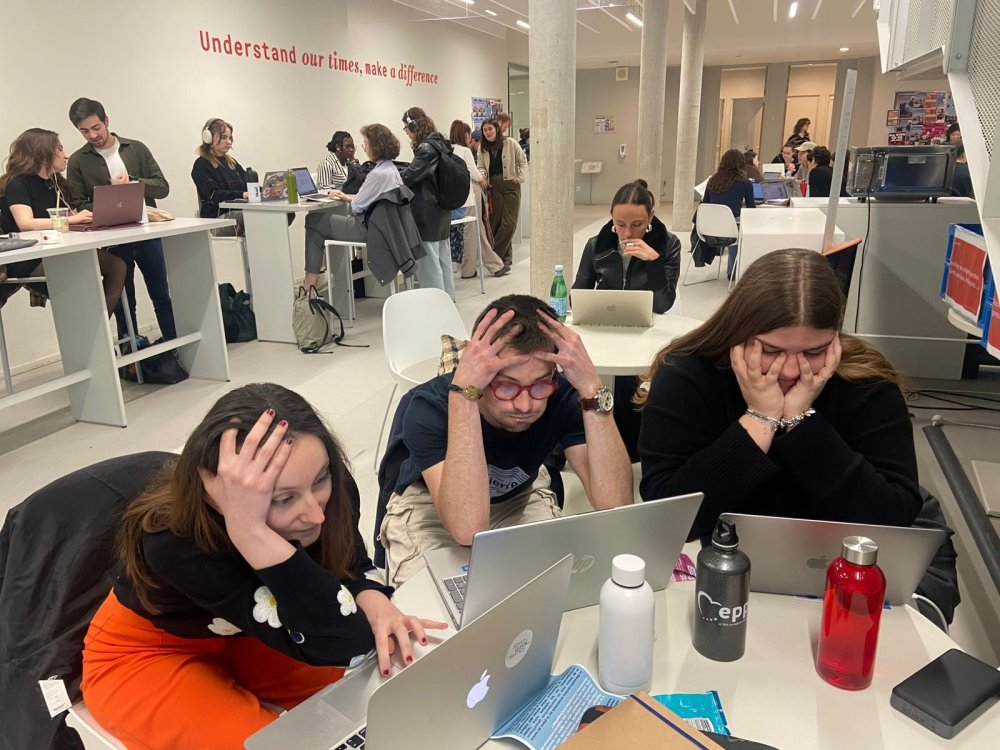
@ Photo posted on social media by S&D, Renew and EPP MEPs… If they look surprised, it may be because they forgot to include EUROPEAN COMMISSION – Team 2 – DG CLIMA, Commissioner Pomili Pomili Viola, in the picture.
In response, tensions are escalating. Several groups are calling for a rejection of all compromise amendments and warning of a weakening of democratic standards. Political threats are also emerging, including the — for now largely symbolic — mention of a motion of censure.
The majority itself is not entirely cohesive. Internal tensions are surfacing, particularly within the PPE, where some MEPs criticise a line seen as too close to the left and a lack of internal consultation.
Barring any surprise, the compromise is expected to be adopted in committee. However, amid accusations of exclusion, criticism of the process, and internal divisions, it already appears politically fragile as the legislative process moves forward.